Unveiling the Intricacies of Coin Dies in Numismatics: A Comprehensive Exploration

What is a coin die:
In the realm of numismatics, a coin die is a specialized tool that is crucial in the process of minting coins. These dies are typically created by skilled artisans or engravers who meticulously carve intricate designs and inscriptions onto the surface of the die. There are various types of coin dies, such as the obverse die, which features the front side of the coin, and the reverse die, which represents the back side.
The primary purpose of a coin die is to transfer the design onto a blank piece of metal, creating a coin with the desired image and text. The die is used in conjunction with a coin press to strike the design onto the metal disc, resulting in a finished coin. In the world of numismatics, the quality and precision of the coin die play a significant role in determining the overall aesthetic and value of a coin.
When it comes to the coin die tokenomics, it is essential to consider the intricate details and intricacies of the design, as this can impact the market value of the coin. The coin die ecosystem encompasses various tools and technologies that are employed in the minting process, ensuring that each coin is produced to exacting standards.
Swapping coin dies, as opposed to traditional trading, involves the exchange of dies with different designs or features. This process can add novelty and diversity to a collection, making it more appealing to enthusiasts and collectors. Purchasing a coin die involves careful consideration of factors such as design complexity, material quality, and historical significance, all of which contribute to the coin's overall appeal and value.
Introduction
Definition of Coin Dies
The term 'coin dies' refers to the specialized tools used in the minting process to impart the design and details onto a coin. Coin dies are crucial as they bear the coin's design in relief and are responsible for imparting the raised images and inscriptions onto the coin blank. These dies are typically made of hardened steel and are subjected to immense pressure during the striking process. Without the presence of high-quality, well-crafted coin dies, the minting process would be incomplete, resulting in coins lacking in detail, clarity, and overall aesthetic appeal.
Importance of Coin Dies in Numismatics
The importance of coin dies in the realm of numismatics cannot be overstated. These unassuming tools play a critical role in shaping the numismatic landscape by preserving historical and cultural information on coins. Coin dies are not merely instrumental in producing coins but serve as historical artifacts in themselves, showcasing the technological advancements, artistry, and political ideologies of the time period in which they were used. Numismatists rely heavily on these dies to study and analyze coins, offering insights into civilizations, economic systems, and artistic expressions that have shaped our past and continue to influence our present understanding of history.
Types of Coin Dies
In the realm of numismatics, a meticulous examination of the types of coin dies proves to be an integral component of understanding the coin minting process. Coin dies are essential tools used in the minting of coins, playing a fundamental role in producing detailed coin designs with precision. As we navigate through the intricate world of coin dies in this article, delving into the specifics of each type illuminates the nuances and significance they hold within the realm of numismatics.
Working Dies
Working dies stand at the forefront of the coin production process, often referred to as the 'working hub.' These dies play a pivotal role in transferring the coin design from the master die to the individual coins. Crafted meticulously, working dies bear the exact replica of the intended design and are primarily responsible for the consistency and quality of the final coin. Their precision is paramount, ensuring that each coin struck maintains the intricate details specified in the design.
Master Dies
Master dies serve as the primary template from which working dies are created. These dies undergo an extensive process of engraving or molding to reproduce the design accurately. Master dies hold immense importance in ensuring the uniformity and authenticity of the coin design across multiple working dies. With exceptional detail and precision, master dies set the standard for the production of working dies, guaranteeing a consistent appearance across the minted coins.
Hub Dies
Hub dies play a vital role in the replication process of coin designs onto working dies. These dies act as an intermediary, transferring the intricate details from the master die to multiple working dies. Hubbing involves impressing the design from the master die onto a hub die, creating a raised image that is eventually transferred to working dies through the hubbing process. This meticulous method ensures that the intricate features of the coin design are faithfully reproduced on each working die, maintaining the artistic integrity of the coin.
Production Process of Coin Dies
The production process of coin dies is a critical aspect to understand in the realm of numismatics. It serves as the foundation for creating the intricate designs that are stamped onto coins, making it a key element in the art and science of coin production. When delving into the production process of coin dies, it becomes apparent that each step plays a crucial role in ensuring the final product meets the highest standards of quality and precision. From design creation to hubbing and the creation of working dies, every stage requires meticulous attention to detail to produce coins that are not only aesthetically pleasing but also historically significant.
Design Creation
Design creation stands at the forefront of the production process of coin dies. This initial phase involves translating creative concepts into detailed renderings that will eventually be engraved onto the coin dies. Numismatic artists and engravers work diligently to craft designs that capture the essence of the coin's theme or historical significance. Precision is paramount in this stage, as any inaccuracies in the design can result in flawed coin dies and subsequently, imperfect coins. The intricate details, symbols, and inscriptions must be meticulously defined to ensure a flawless final product.
Hubbing
Hubbing is a specialized technique employed in the production process of coin dies to transfer the intricate design created onto a master die. This process involves placing the master die and a blank die, known as a hub blank, into a hubbing press. Under enormous pressure, the design is transferred from the master die to the hub blank, impressing a raised image onto the hub blank. This imprint serves as the basis for creating multiple working dies, ensuring uniformity and consistency across the coin production process. Hubbing requires precision machinery and skilled operators to execute the transfer accurately, preserving the integrity of the original design.
Creation of Working Dies
The creation of working dies is the final stage in the production process of coin dies before the actual striking of coins takes place. Using the hubbed master die as a template, the working dies are produced by impressing the design onto individual dies that will be used in the coin minting process. Each working die must undergo stringent quality checks to guarantee that the design elements are sharply defined and accurately replicated. Working dies play a pivotal role in translating the intricacies of the original design onto the coins, making them a fundamental component in the minting process. The creation of working dies requires finesse and expertise to ensure that every coin produced adheres to the desired standards of excellence.
Historical Evolution of Coin Dies
The Historical Evolution of Coin Dies holds a significant place within the broader discussion of numismatics due to its pivotal role in shaping the art and science of coin production over centuries. Delving into the historical evolution provides us with a crucial timeline of advancements, technologies, and artistic influences that have left a lasting impact on coin design and manufacturing.
Ancient Coin Dies
Ancient coin dies constitute a fascinating chapter in the historical evolution of coin dies. These early dies were typically hand-carved from materials like bronze or iron, reflecting the craftsmanship and artistry of ancient civilizations. The intricate designs on these dies were often symbolic or representative of the prevailing culture, religion, or political ideologies of the time. Understanding ancient coin dies offers a window into the artistic expressions and technological capabilities of early minting practices.
Medieval Coin Dies
The realm of medieval coin dies introduces a fusion of artistic finesse and rudimentary manufacturing techniques. During the medieval period, coin dies evolved to incorporate more intricate designs and inscriptions, contributing to the visual richness and historical relevance of coins from that era. The development of specialized tools and techniques for creating medieval coin dies paved the way for more sophisticated minting processes in subsequent centuries.
Modern Coin Dies
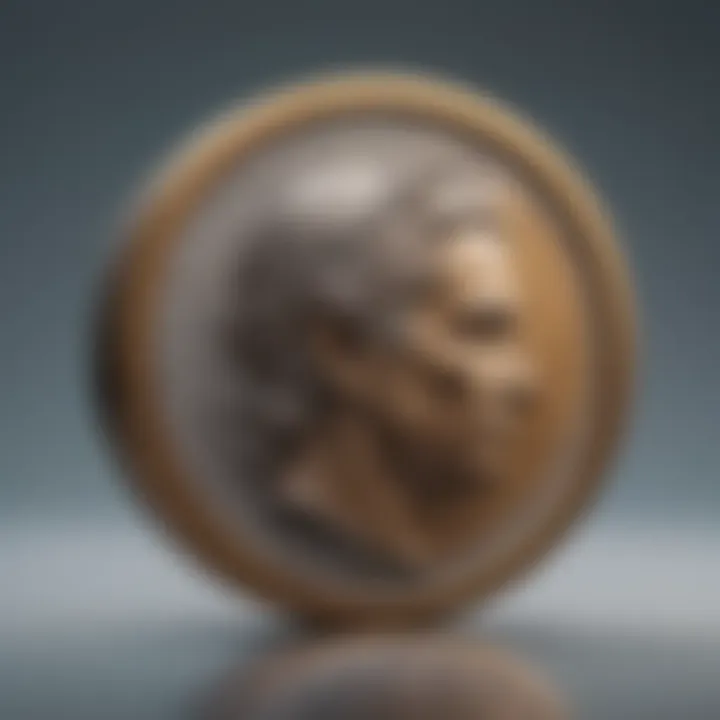
In the context of the historical evolution of coin dies, modern coin dies represent a culmination of centuries of innovation and technological advancements. The transition to mechanized die preparation, the use of high-precision engraving tools, and the adoption of advanced materials have revolutionized coin production in the modern era. Modern coin dies enable mints to achieve unparalleled levels of detail, consistency, and security in coin designs, catering to the diverse and demanding numismatic landscape of today.
Innovations in Coin Die Technology
In the realm of numismatics, the innovations in coin die technology hold a pivotal role, shaping the way coins are minted and preserved. By delving into the advancements in this field, numismatists can gain a deeper understanding of the precision and evolution of coin production. These innovations not only streamline the coin-making process but also contribute to the longevity and quality of the coins produced.
Computer-Aided Design (CAD)
Computer-Aided Design (CAD) revolutionized the coin die manufacturing process by enabling designers to create intricate and detailed coin designs with unprecedented accuracy. CAD software allows designers to translate their artistic vision into digital models, which are then used to generate physical coin dies. This eliminates the need for traditional hand-carving methods, reducing production time and enhancing design precision.
CAD brings a host of benefits to the coin minting industry. It facilitates the development of complex coin designs that were previously unattainable through manual techniques. Additionally, CAD software allows for easy customization and modification of designs, giving mints the flexibility to adapt to changing coinage requirements swiftly.
When considering CAD for coin die production, factors such as software compatibility, design complexity, and manufacturing capabilities must be taken into account. Mints embracing CAD technology must ensure that their equipment and operators are proficient in utilizing the software to its full potential, maximizing the benefits of this innovative tool.
3D Printing of Coin Dies
Emerging as a cutting-edge technology in the minting industry, 3D printing offers a novel approach to crafting coin dies with unparalleled precision and efficiency. By using 3D printing technology, mints can create intricate coin dies with intricate details and fine textures that were previously challenging to achieve through traditional subtractive methods.
The use of 3D printing in coin die production presents a significant advancement in terms of design intricacy and production speed. The ability to print complex geometries and intricate patterns directly onto the coin dies enhances the aesthetic appeal and authenticity of minted coins. Additionally, 3D printing reduces material waste and production costs, making it a cost-effective and environmentally friendly option for mints.
When incorporating 3D printing into coin die production, mints must consider factors such as material selection, printing resolution, and post-processing techniques. By optimizing these variables, mints can harness the full potential of 3D printing technology to elevate the quality and durability of their coin dies.
Use of Laser Technology
The utilization of laser technology in coin die manufacturing has revolutionized the precision and efficiency of the minting process. Laser technology enables mints to engrave intricate designs and patterns onto coin dies with unparalleled accuracy and consistency, surpassing the capabilities of traditional engraving methods.
The adoption of laser technology offers a myriad of advantages for mints. Laser-engraved coin dies exhibit superior detail and sharpness, enhancing the visual appeal of minted coins. Furthermore, laser technology enables rapid prototyping and iterative design refinements, allowing mints to expedite the coin die creation process without compromising on quality.
When implementing laser technology for coin die engraving, mints must consider factors such as laser power, engraving speed, and depth control to achieve optimal results. By leveraging laser technology effectively, mints can elevate the precision and quality of their coin production, catering to the discerning standards of numismatists and collectors.
Maintenance and Preservation of Coin Dies
The section focusing on Maintenance and Preservation of Coin Dies holds paramount importance within the broader context of this article. Understanding how to properly care for and store coin dies is crucial in preserving their integrity and ensuring the quality of minted coins. Maintenance and preservation not only extend the lifespan of coin dies but also play a significant role in maintaining the historical and numismatic value associated with them.
Cleaning and Storage
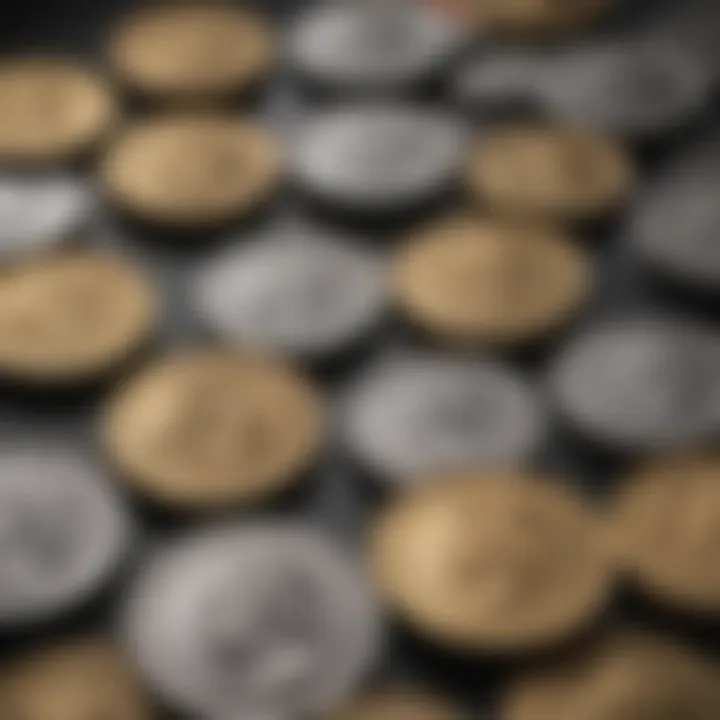
Cleaning coin dies is a meticulous process that requires precision and care. Over time, residue and debris can accumulate on the surface of the dies, affecting the striking quality of coins. Numismatists employ specialized techniques and equipment to delicately remove impurities without causing damage to the delicate engravings. Proper storage is equally vital to prevent corrosion and degradation of the dies. Coin dies are typically stored in a controlled environment with stable temperature and humidity levels to mitigate the risk of deterioration.
Preventive Measures
In addition to routine cleaning and appropriate storage, various preventive measures can enhance the longevity of coin dies. Protective coatings are applied to the surfaces of the dies to shield them from environmental factors that could lead to corrosion or wear. Inspecting the dies regularly for signs of damage or fatigue is essential to address any issues promptly. Numismatists may also implement rotation strategies, using multiple sets of dies in alternation to distribute wear evenly and prevent premature failure. By adopting a proactive approach to maintenance and employing preventive measures, collectors and mints can safeguard the quality and durability of their coin dies.
Conclusion
In this exhaustive exploration of coin dies in numismatics, we have uncovered the vital role these tools play in the minting process. The conclusion serves as the crescendo of our journey, emphasizing the fundamental significance of coin dies in unraveling the mysteries of numismatics. Through a detailed analysis of the types, production processes, historical evolution, innovations, and maintenance of coin dies, it becomes evident that they are the cornerstone of coin production.
One of the key takeaways from this article is the intrinsic link between coin dies and the study of coins. By understanding the design intricacies and technological advancements in coin die production, numismatists can decipher the historical context and significance of various coinages. Moreover, the meticulous preservation and maintenance of coin dies ensure the authenticity and longevity of coins for future generations to appreciate.
Furthermore, the conclusion sheds light on the future prospects of coin die technology. As advancements in computer-aided design, 3D printing, and laser technology continue to revolutionize the field, numismatists can expect greater precision, efficiency, and innovation in coin die production. The convergence of traditional craftsmanship and modern technology heralds a new era of exploration and discovery in numismatics, promising exciting possibilities for researchers and collectors alike.
In essence, the conclusion crystallizes the overarching theme of this article: coin dies are not just tools used in minting coins; they are portals to history, artistry, and innovation in the realm of numismatics.
Significance of Coin Dies in Numismatic Studies
Coin dies hold immense significance in the realm of numismatic studies, playing a pivotal role in deciphering the historical and artistic value of coins. Numismatics, the study of currency and coins, relies heavily on coin dies to unravel the stories embedded in each minted piece. These dies not only determine the design and inscriptions on coins but also serve as testaments to the technological advancements and artistic preferences of different eras.
The meticulous examination of coin dies can reveal crucial details about the minting process, such as mint marks, errors, and die varieties, which are essential for authenticating and attributing coins to specific time periods and mints. Numismatists analyze coin dies to understand the circulation patterns, composition changes, and political ideologies reflected in coins, offering invaluable insights into ancient economies and civilizations.
Moreover, coin dies serve as tangible links to the past, connecting modern-day enthusiasts with the craftsmanship and innovation of bygone eras. Through the study of die characteristics, die pairs, and die states, numismatists can reconstruct the production sequences of coins, uncovering hidden treasures and historical contexts that enrich the narrative of numismatic research.
Overall, the significance of coin dies in numismatic studies cannot be overstated. These small yet crucial tools form the backbone of numismatic research, allowing scholars and collectors to delve deep into the stories encapsulated within each coin and unravel the mysteries of our numismatic heritage.
Future Prospects in Coin Die Technology
The future of coin die technology holds immense promise and potential, ushering in an era of innovation, efficiency, and precision in the minting industry. With advancements in computer-aided design (CAD), 3D printing, and laser technology, coin die production is evolving at a rapid pace, offering numismatists and mints a myriad of opportunities for technological enhancement.
The integration of CAD software enables designers to create intricate and sophisticated coin designs with unprecedented detail and accuracy. By digitizing the design process, mints can streamline production and reduce lead times, making the minting of custom and commemorative coins more accessible and cost-effective.
Furthermore, 3D printing technology is revolutionizing the production of coin dies, allowing for rapid prototyping and customization of die designs. This additive manufacturing technique offers mints the flexibility to experiment with new shapes, textures, and security features, enhancing the aesthetic appeal and counterfeit resilience of minted coins.
In addition, the use of laser technology in coin die engraving and texturing enables mints to achieve unparalleled precision and consistency in coin production. Laser-cut dies ensure uniformity in coin designs, sharpness in details, and durability in high-volume minting, making them indispensable tools for modern minting facilities.
As we look towards the future, the convergence of these innovative technologies holds the promise of transforming the coin die industry, opening doors to enhanced creativity, efficiency, and quality in coin production. Numismatists can anticipate a new era of coin design and manufacturing that marries tradition with innovation, shaping the numismatic landscape for years to come.