
Exploring the Essence of a $500 Pen: Craft and Status


Intro
In a world where the blend of artistry and practicality takes center stage, luxury writing instruments stand out as a fascinating realm. The $500 pen serves as an emblematic case study, emerging from the intersection of craftsmanship, personal identity, and economic dynamics. Delving into its essence opens a Pandora's box of insights, revealing how such an everyday tool can embody intricate layers of meaning and significance.
What is $500 pen:
A $500 pen is not just a writing tool; it's a luxury object, often crafted by hand, using premium materials. When one mentions a pen at this price point, it usually signifies a robust blend of exquisite design and top-notch functionality. For many, owning a pen like this is akin to possessing a piece of art, one that evokes admiration and speaks to the owner's refined taste.
But this raises pertinent questions. Who created these luxury pens? How did they proliferate across various markets? And what drives individuals to invest in such costly items?
Who created the $500 pen?
The originators of high-end writing instruments can be traced to esteemed brands like Montblanc, Pelikan, and Visconti. Each of these names carries a legacy steeped in history and reputation. Montblanc, for instance, has a storied past rooted in the early 20th century, where it began as a brand making fine writing tools that combined artistry with precision engineering.
How many $500 pen are there?
While the answer varies based on brand and limited editions, there are countless variants available on the market today. From exclusive collaborations with renowned artists to unique materials paired with meticulous craft, the options are as diverse as the consumers who seek them. Each pen often tells a story, imbued with detail and artistry that can evoke the allure of writing in a distinctive manner.
Does the $500 pen have a purpose?
At its core, the $500 pen serves the fundamental purpose of writing. Yet, this utility is profoundly elevated by design, balance, and a smooth writing experience, creating an emotional connection between the writer and the instrument. The ability to deliver an impeccable, tactile experience transforms a simple task into an art form.
What is the $500 pen used for?
A $500 pen transcends mere scribbling on a page. Owners often use it for special occasions - a signing of a contract or a heartfelt note to a loved one. Its crafted nature makes it a treasure, fostering connections between thoughts and the tangible record of those thoughts on paper. Whenever you pull out a shiny $500 pen, it commands attention and often, respect.
The $500 pen tokenomics depends on the following tokens:
- Craftsmanship Token: The skill invested in creating the pen.
- Material Token: The high-quality substances used - think gold nibs or lacquer finishes.
- Brand Token: Recognition and esteem attached to the maker's name.
The $500 pen ecosystem also includes the following tools:
- Ink Refills: Premium inks that complement the pen's luxury status, ensuring smoothness in every stroke.
- Pen Cases: Leather or wood cases crafted to protect the pen while adding an aesthetic flourish.
- Maintenance Kits: To keep the pen in pristine condition, reinforcing its longevity and value.
But why swap $500 pen and not trade? What’s the difference?
Swapping a $500 pen typically indicates a consideration for its intrinsic value, beyond mere monetary exchange. Trading might suggest a simply opportunistic deal, often lacking the appreciation such an item commands. When someone swaps, they typically seek to share an experience or value tied to the craftsmanship and artistry of the pen.
How to buy $500 pen
Acquiring a luxury pen can be a special journey. Many enthusiasts turn to authorized retailers, renowned boutiques, or online platforms specializing in high-end writing instruments. Researching and ensuring authenticity is crucial, given the prevalence of forgeries in luxury markets. Be sure to consider the following:
- Reputation of the Seller: Only buy from trusted sources.
- Conditions of the Pen: New or used, understand the condition you’re purchasing.
- Return Policies: Familiarize yourself with terms in case the pen does not meet your expectations.
Understanding the Concept of Luxury in Writing Instruments
Luxury in the realm of writing instruments is more than just a price tag; it’s a blend of artistry, material, and cultural significance. This exploration is essential to grasp why a $500 pen is perceived not just as a tool for writing but as an object that embodies sophistication and individuality. Knowing how luxury is defined can help appreciate the nuances of these high-end items.
Defining Luxury and Its Implications
To define luxury, one might consider it as a state of great comfort or elegance. In the context of writing utensils, however, it goes beyond mere aesthetics. Luxury writing instruments often signify an investment. With a price of around five hundred dollars, these pens carry an assurance of quality, durability, and often unique craftsmanship. When consumers purchase these items, they aren’t merely buying a pen; they are investing in an experience and a status symbol. They expect materials that feel different to the touch, like a smooth lacquer finish or a weighty, well-balanced grip that elevates the act of writing.
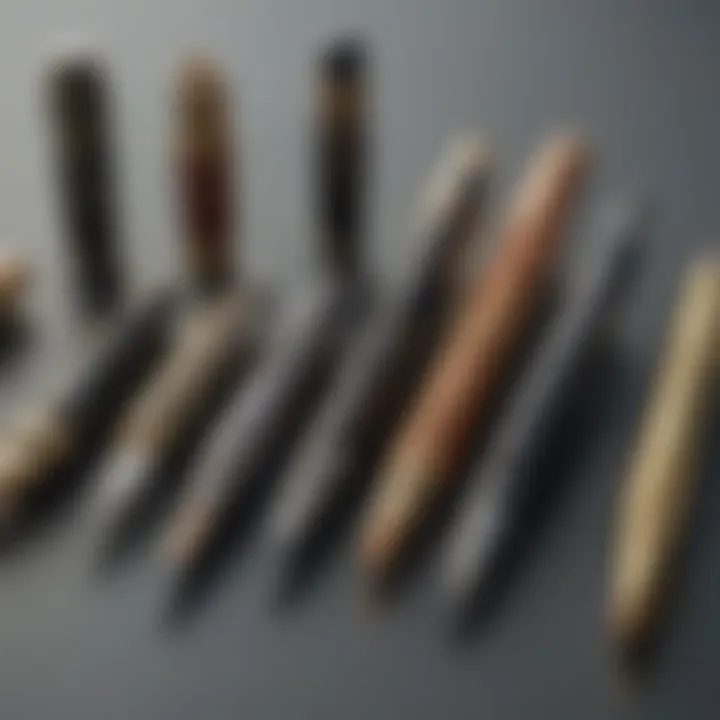
Moreover, luxury often brings tailored experiences. Often, brands offer customized options, allowing for personal engravings or select finishes. This level of personalization fosters a deeper emotional connection. It’s part of what makes luxury goods appealing—they become more than functional objects; they transform into extensions of personal identity.
The Historical Evolution of Luxury Pens
The journey of luxury pens starts centuries back. From the quills of ancient scribes to the modern fountain pens, each era has its own flair. Early writing instruments were often handcrafted, reflecting a significant amount of artistry and labor. The introduction of the fountain pen in the 19th century was revolutionary. Companies like Waterman and Parker emerged, setting standards for quality and design. The craftsmanship was meticulous, with each part of the pen carefully crafted to provide a seamless writing experience.
In the mid-20th century, with the advent of ballpoint technology, writing instruments experienced a shift. Luxury brands didn’t shy away from innovation; they incorporated new materials and techniques while maintaining a focus on sophistication. Today, brands such as Montblanc and Pelikan exemplify the blend of tradition and modernity. They often include elements like gold nibs and intricate engravings, reminding us that these pens are not just for scribbling notes but serve as markers of a refined lifestyle.
As we navigate this historical tapestry, it's clear that the evolution of luxury writing instruments reflects changes in societal values, technological advancements, and individual aspirations. The luxury pen is a storyteller in its own right, narrating historical shifts while preserving a sense of permanence in an ever-changing world.
"A pen is a weapon of a different kind, capable of shaping thoughts and histories."
In examining these aspects, one gains a fuller understanding of why a $500 pen transcends its functional role. Thus, the intricate dance of luxury, history, and individual identity becomes evident, setting the stage for deeper discussions on materials and craftsmanship.
Unpacking the $500 Price Tag
To truly grasp the essence of a $500 pen, one must look beyond the surface as the price tag does not merely reflect materials or craftsmanship, but also a deeper narrative interwoven with emotions, perceptions, and even societal norms. Understanding the factors that contribute to this high price point is essential for discerning consumers, especially for those in niche markets like crypto enthusiasts, who often value uniqueness and personal expression.
A Breakdown of Materials and Craftsmanship
When it comes to the construction of a luxury pen, the choice of materials plays a pivotal role. At the $500 price point, you're likely looking at high-grade metals like brass or stainless steel, which provide durability while still feeling weighty and substantial in the hand. Some pens incorporate precious metals such as gold or silver, elevating their status even higher. Beyond the casing, the nib, usually fashioned from 18k gold or high-quality steel, contributes significantly to the writing experience.
Craftsmanship is another cornerstone of the luxury market. High-end pens are often handmade, a labor-intensive process that involves intricate techniques passed down through generations. This meticulous attention to detail not only enhances the pen’s performance but also adds character, making each piece truly one of a kind.
"It's not just about writing; it's about the experience of creating, the emotion entwined with each stroke of ink."
Furthermore, many luxury brands have integrated additional features, such as special engraving techniques or limited-edition releases, which speak volumes about collectible value. Thus, a $500 pen is not merely a tool; it transforms into a treasure, reflecting the brand's legacy and the artisan’s skill.
The Role of Branding and Perception
Branding plays a subtle yet potent role in the luxury writing instrument market. A well-known name can elevate a pen's appeal significantly, sometimes overshadowing the intrinsic qualities of the product. The emotional connection a consumer has with a brand often stems from its history and reputation. Names like Montblanc or Parker evoke visions of sophistication and prestige, appealing to consumers on a psychological level.
This branding does not end with recognition; it creates a community. Ownership often conveys a sense of belonging, as though buyers are joining an elite club of discerning individuals who appreciate the finer things in life. Additionally, peer perception can be a compelling motivator. A $500 pen signals to others that the owner is successful, sophisticated, and perhaps even a bit of an aficionado.
Materials: What Goes Into a $500 Pen?
When it comes to a $500 pen, the materials used are much more than just a footnote in the narrative of luxury writing instruments. They play a pivotal role in shaping the perception, durability, and overall elegance of the pen. Let’s dig into what makes these materials so significant and how they contribute to the world of high-end writing.
Premium Materials and Their Significance
A luxury pen often boasts an impressive array of materials that reflect both sophistication and quality. Resin, metal alloys, and even precious stones can be found in a high-end writing instrument. Take, for instance, the use of cellulose acetate, a material derived from cotton or wood pulp known for its rich hues and striking patterns: it's not just there for the looks. The way cellulose acetate interacts with light gives each pen a unique luster, making it stand out among the masses.
Not to overlook metals, pens often feature brass, silver, or even gold components. Brass, for example, is valued not just for its strength but also for the satisfying weight that adds a literal heft to the writing experience. Silver, on the other hand, might attract some attention not primarily just due to its shine, but also because it has a storied past as a marker of wealth. Now, if we add a few touches like enamel or lacquer finishes, we can reach another level entirely, where durability meets design artistry.
The epitome of such premium materials isn't only about lavishness; it's also about how they contribute to functionality. A pen made from quality materials tends to offer smoother writing and a longer lifespan. This is pivotal for those who view writing as a daily ritual or a vital part of their identity. Instead of merely serving a purpose, these components work harmoniously to offer an experience that resonates with the user's preferences, not just in how it writes, but also how it feels in their hand.
The Impact of Design Choices
Every curve, angle, or line in a pen's design isn't arbitrary; it's a calculated choice reflecting both form and function. The design of a $500 pen can often elevate a writing instrument from simple functionality to an art piece. Consider the ergonomic architecture of certain pens that fit elegantly within the grasp of the writer. This aspect can sometimes be more crucial than the materials themselves.
Additionally, the color palette utilized can tell a story, perhaps reflecting cultural motifs or contemporary trends. A pen crafted from noble materials, but with a dull design, can diminish its perceived value in the eyes of collectors or enthusiasts. An intricate craftsmanship approach, such as hand-turned sections or custom engraving, adds a personal touch that generic designs lack.
"Luxury is in each detail. It’s not about being flashy; it’s about understated elegance and the story behind the materials and designs."

The significance combined with well-considered design choices encourages emotional connections. Beyond the initial purchase, it can embody a narrative about aspiration and artistic expression, making the pen something more than a tool; it’s a companion in the act of creation.
Craftsmanship: The Art of Pen Making
When we consider a $500 pen, craftsmanship plays a pivotal role that goes far beyond mere functionality. The artistry involved in making such a writing instrument reflects a dedication to detail, tradition, and nuanced skill. It encompasses everything from selecting high-quality materials to intricately fine-tuning the balance and flow of the pen. This section will dissect the craftsmanship involved, establishing it as a cornerstone of luxury writing instruments and illuminating how it shapes consumer perceptions.
Traditional Techniques vs. Modern Innovations
The contrast between traditional techniques and modern innovations represents a fascinating narrative in the world of pen making. On one hand, traditional craftsmanship is steeped in decades, if not centuries, of history. Skilled artisans utilize techniques passed down through generations, using tools and methods that celebrate the timeless nature of pen making. For instance, many artisans still employ the process of handturning to create the barrel of the pen, ensuring that every piece is unique and carries the maker's signature touch. This painstaking craft often adds to the perceived value of the pen.
On the other hand, advancements in technology have significantly altered the pen-making landscape. Modern innovations allow for precision that was previously unimaginable. Laser engraving, for example, enables engravings with astonishing detail, personalizing each pen while maintaining a level of consistency across production. Manufacturers also employ advanced metallurgy and new materials like carbon fiber and specialized alloys, enhancing both durability and aesthetic appeal.
The blending of traditional methods with contemporary techniques offers a rich tapestry of experiences for the consumer. Those owning a luxury pen can often tell stories about its making— a narrative that enhances its value. If we think about it, when you go to write with it, you aren't just wielding a pen; you're holding a piece of history, an artwork of its own kind.
Master Artisans and Their Influence
The role of master artisans cannot be overstated when discussing the craftsmanship of luxury pens. These individuals are not just skilled craftsmen; they are true artists who mold raw materials into instruments of expression. Their training often involves years, sometimes decades, of apprenticeship under the watchful eye of seasoned professionals.
Notably, these artisans draw inspiration from a variety of sources, merging cultural influences with personal flair. A master artisan might fuse Italian design principles with Japanese aesthetics to craft a pen that stands apart from anything else on the market.
"A pen is not just a tool but an extension of one's thoughts, an embodiment of the writer's soul."
Their expertise allows them to create pens that often embody both function and luxury—a combination that resonates deeply with consumers. For buyers, owning a pen crafted by a recognized master can feel like a form of participation in an exclusive club; it’s not just the writing instrument that matters, but the connection to the artisan's legacy. The craftsmanship inherent in these pens cultivates a bond between the owner and the object, further enhancing the writing experience.
Psychological Aspects of Luxury Pen Ownership
When one contemplates the choice of a luxury writing instrument, like a $500 pen, it becomes evident that the purchase transcends mere functionality. The intricate layers of psychology involved in such an ownership journey unveil complex motivations and consequences that drive consumers. It's not just about writing; it's about the identity and status that each stroke on paper communicates.
Status Symbol: The Social Implications
Luxury pens often function as a status symbol, often more than just a tool for writing. In certain circles, possessing a high-end pen is reminiscent of wearing an exclusive brand or driving a luxury car. The social understanding of such an item might be vastly different for those who own one versus those who merely observe from the sidelines.
- Visual Perception: These pens usually boast exquisite designs that speak volumes about the owner’s taste and sophistication. When someone pulls out a Montblanc or a Parker to sign a document, it often raises eyebrows and perhaps even admiration.
- Social Narrative: Ownership can craft a narrative about one’s lifestyle. It's a way to project ambitions, professional standing, and even cultural values. Similar to how an expensive wristwatch might signify punctuality and success, a luxury pen conveys a commitment to quality and an appreciation for craftsmanship.
- Peer Reflection: Social circles often embrace subtle competition. Having a luxury pen becomes a reflection of one’s achievements, and it can influence how peers perceive an individual. For some, this drives them to invest in such items, knowing fully well the unspoken weights of material possessions in social settings.
"A luxury pen is more than a writing tool; it’s a medium that conveys sophistication, discipline, and an appreciation for artistry, ultimately influencing social dynamics."
Emotional Connections and Personal Identity
Beyond societal judgments, owning a luxury pen taps into the emotional aspects of identity. Writing has a personal dimension that few things can rival. A well-crafted pen can evoke feelings that connect its user to their thoughts, history, and aspirations.
- Personal Expression: Each pen's design and feel can resonate with an individual’s unique personality. For someone who values simplicity, a sleek and minimalistic pen might represent elegance; for a creative, vibrant colors might express vivacity.
- Sentimental Value: Some luxury pens become heirlooms, passed down through generations. They carry stories of commitment, success, and even challenges faced by the owner, integrating a sense of belonging and shared history into their functionality.
- Mindfulness and Confidence: Using a pen that feels comfortable and looks beautiful can lead to better focus during writing. This, in turn, can enhance self-esteem, creating a psychological boost with every signature and note taken.
By understanding these psychological dimensions of luxury pen ownership, consumers can navigate their choices with greater awareness. They become cognizant of what they are investing in: not just an object but a manifestation of who they are and how they want to be perceived in a world that frequently values the visible and tangible.
Consumer Behavior: Buying Luxury Pens
The purchase of a luxury writing instrument, particularly one with a price tag of around $500, reflects a nuanced decision-making process shaped by various factors. Understanding consumer behavior in this niche market goes beyond mere economics. It encompasses psychological, social, and emotional dimensions that often define the luxury experience itself.
Factors Influencing High-End Purchases
Several elements underlie the purchasing decisions of high-end pen consumers, which can often be intertwined with their personal values and experiences.
- Quality and Performance: The first consideration usually relates to quality. Buyers often gravitate towards brands recognized for their quality, with each stroke delivering a symphony of fluidity. The writing experience, paired with the longevity of the pen, plays a crucial role in swaying decisions.
- Brand Prestige: Many consumers hold a deep-seated belief that certain brands are synonymous with luxury. The reputation of a brand can significantly affect its desirability, tapping into a collective perception formed over decades, if not centuries.
- Personal Identity: Owning a luxury pen can reflect one's personal brand. For some, it’s a conversation starter; for others, it resonates with self-worth.
- Emotional Resonance: Some consumers are swayed by the emotional stories behind the craft or a particular design—perhaps a connection to family, heritage, or a career milestone. It's not just a pen, but part of a narrative that enriches their lives.
- Peer Influence and Social Proof: Peer groups and professional circles play a large role in consumer choices. Seeing a colleague with a Montblanc or a Pelikan can evoke feelings of aspiration or desire. This creates a cycle where status symbols influence and drive purchases.


In sum, the decision to acquire a luxury pen often involves a blend of practical considerations and subjective emotional responses, illustrating how individual choices are forged in a social context.
The Role of Collecting as a Motivator
Collector's psychology is an interesting facet that warrants examination in understanding luxury pen purchases. For many, collecting goes beyond hobbyism; it transforms into a passion that evokes feelings of pride, historical significance, and community.
- History and Heritage: Dedicated collectors often appreciate the history behind a specific brand or model. Often these writing instruments are steeped in craftsmanship that has been passed down through generations, making ownership feel like stepping into a rich legacy.
- Building a Unique Collection: The joy of hunting for a particular model that completes a set or discovering a limited edition can be exhilarating. Collectors like to own what few others can, which adds to the allure of luxury items.
- Fostering Community: Attending pen shows or joining online forums often creates a sense of belonging. These places enable collectors to share experiences, giving life to conversations about design nuances or historical relevance.
- Investment Opportunities: For some, acquiring these pens transcends aesthetic joy. Many see it as an investment, betting on specific models appreciating over time. The market for luxury pens can mirror fine art or automobiles, where scarcity often drives value.
"To possess a luxury pen is to embrace a world where artistry meets practicality, and every click becomes a part of a larger tapestry—one of passion, history, and intentionality."
Market Trends in Luxury Writing Instruments
Understanding current market trends in luxury writing instruments is crucial for grasping the broader implications of owning a $500 pen. This examination not only reflects the shifting consumer preferences but also highlights how external factors influence the overall luxury market. With the growing interest in unique and personalized experiences, high-end pens have seen a revival among collectors and enthusiasts alike. These type of writing instruments are becoming more than just tools; they're regarded as highly valued items that convey one’s taste and status.
Emerging Brands vs. Established Names
The landscape in the luxury pen market is not static, with both emerging brands and established names vying for attention. New brands often bring fresh perspectives, innovative designs, and limited editions that appeal to younger buyers or those seeking exclusivity. For example, companies like Knock and Tactile Turn are making waves with their modern aesthetics and functional designs, capturing the interest of consumers who value both artistry and utility.
On the other hand, established brands such as Montblanc and Parker continue to dominate due to their long-standing reputation for quality and tradition. Their products come with an air of history and craftsmanship that many collectors treasure. A Montblanc pen isn’t just about the writing experience; it’s about being part of a legacy.
Brand loyalty plays a significant role here. Consumers often gravitate towards brands they trust or those that resonate with their identity. Understanding this dynamic is essential for brands looking to innovate while maintaining their core customer base. High-quality materials paired with unique stories can be appealing, but they also need to stand the test of time.
Global Market Dynamics
The global market for luxury writing instruments is expanding steadily. Factors such as economic stability in emerging markets, particularly in Asia and the Middle East, have opened new avenues for luxury brands. Consumers in these regions show an increasing willingness to invest in high-end products, which further propels demand for pens priced at $500 or more.
Furthermore, the rise of e-commerce has drastically changed how these products reach consumers. Online platforms such as Amazon and eBay, along with boutique websites, have made luxury pens more accessible. This democratization of luxury can create fierce competition among brands, as consumers can easily compare products and prices.
Interestingly, environmental concerns are shaping the market, too. Many buyers are increasingly considering the sustainability of their purchases. Brands that emphasize eco-friendly materials or ethical craftsmanship are likely to resonate more with today's conscious consumers.
In essence, the market for luxury writing instruments is at a crossroads, balancing tradition with innovation, and sustainability with desirability.
Overall, the market trends reveal a fascinating interplay between established names and fresh entrants, alongside the evolving preferences of global consumers. This complexity enriches the luxury pen segment, making it an exciting area of study and investment.
The Future of Luxury Pens
The trajectory of luxury pens is far from stagnant; it's an evolving tapestry of tradition interwoven with modern sensibilities. As we peer into the future, we can glean the increasing importance of sustainability and technological integration, both of which are set to reshape the landscape of premium writing instruments. In a world that is becoming increasingly conscious of environmental issues, luxury pens must not only be symbols of status but also champions of responsible production.
The upcoming generation of pen enthusiasts and collectors demands not just beauty and craftsmanship but also ethical considerations. This shift poses significant implications, as brands navigate the delicate balance between tradition and innovation while ensuring their legacies are sustainable.
Sustainability in Pen Production
Sustainability is no longer just a buzzword; it has become a firm expectation, even in luxury markets. As consumers, especially younger ones, are more attuned to environmental challenges, they are now seeking products that reflect their values. In the realm of luxury pens, sustainability can manifest in several ways:
- Materials Selection: Use of recycled metals, responsibly sourced woods, and eco-friendly inks are gaining traction. A pen made from reclaimed materials carries a story that resonates.
- Manufacturing Process: Brands are investing in efficient production techniques that minimize waste and carbon footprint. Some are even adopting renewable energy sources.
- Longevity and Repairability: A luxury pen should not just be a transient item. Brands that prioritize repairability over disposability are likely to appeal more to conscientious buyers.
"In the realm of luxury, every choice speaks volumes about the values and priorities of both maker and consumer."
As production practices evolve, it’s not only the product itself that changes, but also the narrative that surrounds luxury pens. This shift can create deeper connections between consumers and brands, fostering loyalty built on shared values rather than just aesthetics or function.
Technological Integration in Traditional Craft
While craftsmanship is the lifeblood of luxury pens, emerging technologies offer exciting avenues without overshadowing the artisanal process. The integration of technology can enhance both the user experience and the pen-making process in meaningful ways. A couple of prominent examples include:
- Smart Pens: Brands have started to embed digital features into their writing instruments. This includes capabilities such as digitizing handwritten notes or providing feedback on writing style. The idea is to combine the tactile pleasure of writing with the usefulness of the digital age.
- Enhanced Customization: Technology allows for more individualized experiences in terms of design. From 3D printing materials to bespoke engraving options, the modern consumer can participate in the creation process like never before.
As these technologies flourish, they offer both opportunities and challenges. For instance, how can a traditional brand maintain its identity while exploring these innovations?
The future of luxury pens is poised for an intriguing blend of sustainability and technology. Rather than leaning solely on tradition, brands that embrace innovation and ethical practices may very well be the ones to rise above the rest, resonating with a new wave of consumers who hold lofty expectations.